Antibiotic resistance
New weapons help kill drug-resistant bacteria
A new type of peptide can puncture bacterial cell membranes, disrupt the function of important organs to kill drug-resistant bacteria.
Browse ScienceInfo articles and explainers related to Resistant Bacteria.
103 published items.
A new type of peptide can puncture bacterial cell membranes, disrupt the function of important organs to kill drug-resistant bacteria.
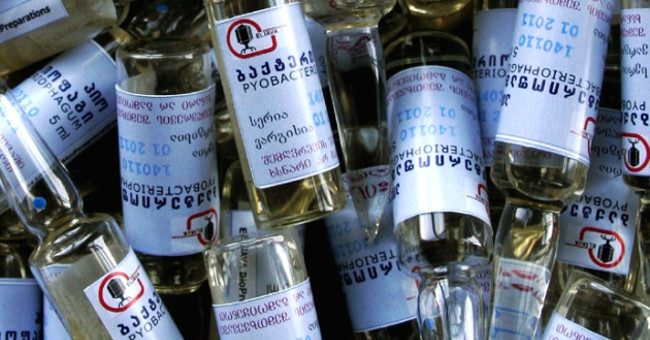
Phage is not a new discovery but when antibiotics were born, this therapy was left open and forgotten.
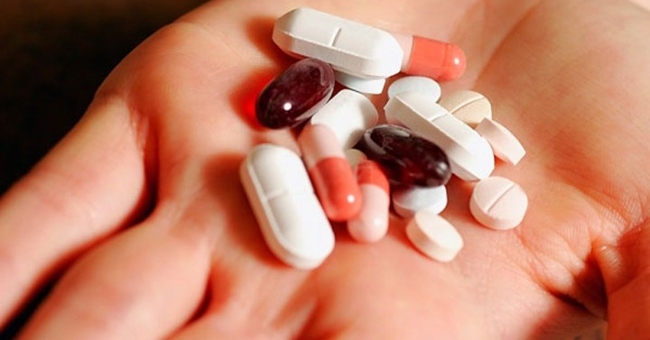
Antibiotic resistance is a phenomenon that occurs when germs or bacteria are not destroyed by antibiotics. They not only exist but also reproduce new generations of bact…
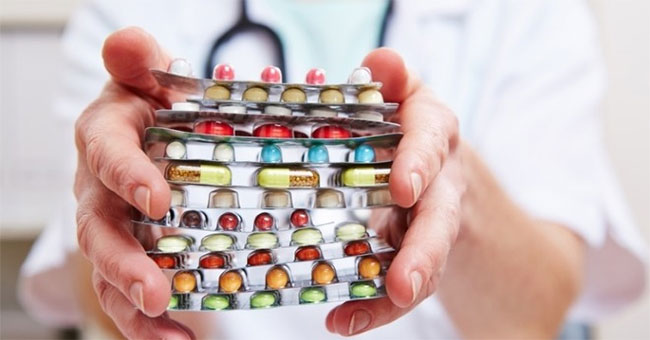
While many developed countries still use first-generation antibiotics effectively, Vietnam must use 3rd-and 4th-generation antibiotics.
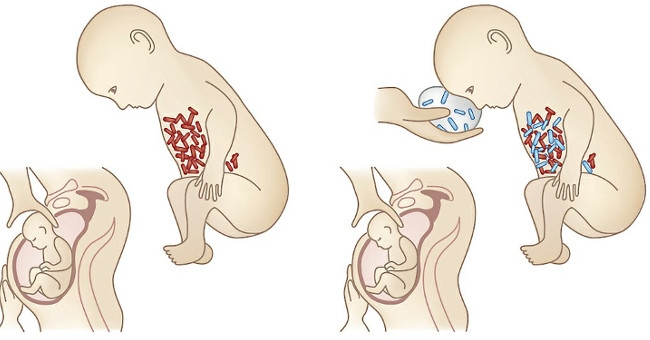
Putting unnecessary antibiotics into the young body reduces the diversity, stability and abundance of intestinal bacteria.

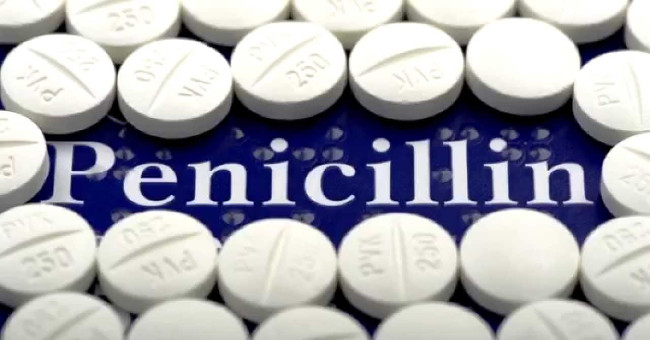
Ever since biologist Alexander Fleming (1881-1955) discovered penicillin in 1928, humanity was happy by the splendor of
US researchers have recently discovered a new technique that could help our species in the fight against disease from the bacteria.
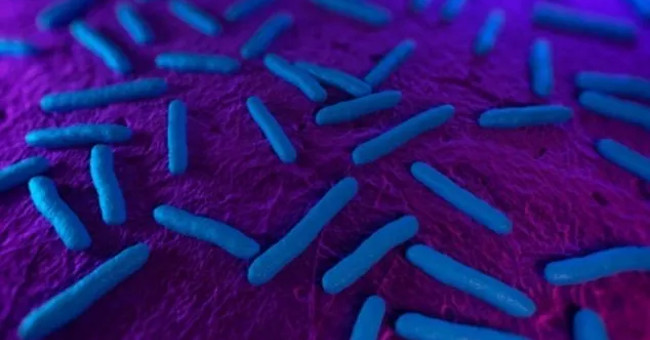
The milder level of the past was only multidrug-resistant bacteria and wide drug resistance.
For decades, the battle for human survival has been silently happening. And today, a bacterium has developed its ability to resist Colistin.
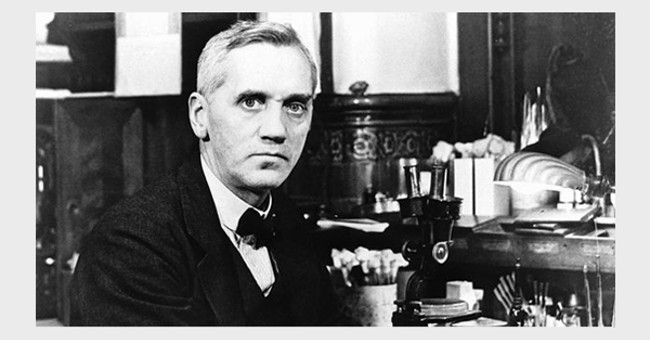
In 1928, Alexander Fleming, a scientist from Scottland, was experimenting with flu viruses. When he rummaged through the experimental plates full of different bacteria h…

With just 30 seconds with simple actions, you have contributed to repelling the deadly danger from antibiotic resistance.
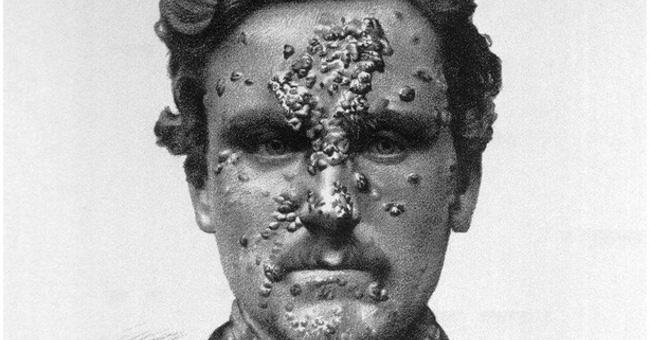
You have a sore throat, you immediately find antibiotics to drink. So do you imagine the scene without antibiotics to cure sore throat or any other disease? That scene i…
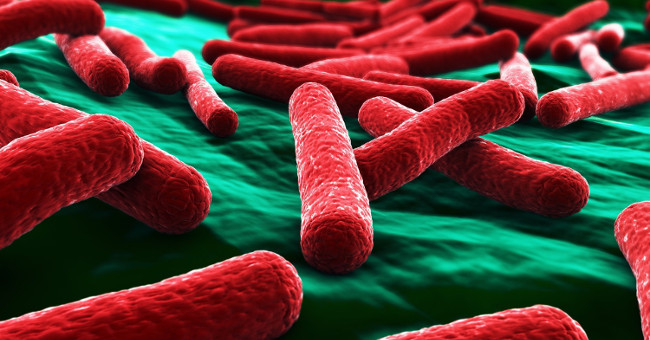
In the new study, published in the journal Nano Small, Singapore researchers say they have created an antibacterial material that can kill E.coli within 30 seconds.